
"energy from coffee"
3000 article(s) found

Who is the founder of bulletproof vest coffee? what's the most effective way to make bulletproof coffee?
Professional coffee knowledge exchange more coffee bean information please follow the coffee workshop (Wechat official account cafe_style) bulletproof coffee is actually a copycat version of Xizang butter tea. DaveAsprey, the founder of bulletproof coffee, said that he went to Xizang many years ago to drink local buttered tea.

In April, I carried my dream to drink Essex coffee with Chuangka BUS.
An orange cool, fashionable mini new era start-up cafe, an energy car that provides cost-effective coffee and diet anytime, anywhere, a platform for creators to provide a steady stream of ideas and projects, April 9, 2017, in a "human April Fangfei, let's see the spring flowers bloom gradually", on the street of Longxili on Ande Road in Dongcheng District, Beijing, a cool orange new energy electric car

It's outrageous! It turns out that drinking coffee is like swiping a credit card. It will be overdrawn.
Professional coffee knowledge exchange more coffee bean information please follow the coffee workshop (Wechat official account cafe_style) more boutique coffee beans please add private Wechat Qianjie coffee, WeChat: qjcoffeex "drinking coffee is like swiping a credit card, use your body's energy quota in advance, in a certain

The basic chemical reaction of coffee roasting process
Many thermal and chemical reactions take place during baking: decarbonation, dehydration of quinic acid, subdivision, isomerization, polymerization, and complex sugar reactions (caramelization). The main components of the thermal reaction are monosaccharides and sucrose, chlorogenic acid, free amino acids, and fenugreek amide. Both aravinose and calactose in the polysaccharides are transferred, and the basic vulcanization contains hydroxylated amino acid.

Health care: the best coffee drinking schedule for office workers
07:00-09:00 on the way to work relaxing cappuccino Cappuccino the best choice for the first cup of coffee of the day. Take a sip, like wrapped in a soft blanket, warm, soothing and quiet, it gently awakens you and allows leisure and freedom to accompany you all day. The rich milk foam warms your mood and makes you taste it for a long time and make you feel happy all the way. Nervous and busy concentration
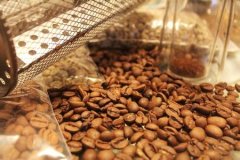
The basic chemical reaction that takes place during coffee roasting.
Basic chemical reactions that occur during coffee roasting author: Carl Staub originates from the SCAA baking color classification system, developed by Agtron SCAA 1995 original text from: http://www.sweetmarias.com/roast.carlstaub.html translation: Grant, http://www.baristacn.com/forum/thread-1583-1-1.html in the roasting process

Basic chemical reactions of coffee beans during coffee roasting
Many thermal and chemical reactions take place during baking: decarbonation, dehydration of quinic acid, subdivision, isomerization, polymerization, and complex sugar reactions (caramelization). The main components of the thermal reaction are monosaccharides and sucrose, chlorogenic acid, free amino acids, and fenugreek amide. Both aravinose and calactose in the polysaccharides are transferred, and the basic vulcanization process includes hydroxylamine.

Korean experts take inspiration from coffee residue to use "coffee residue" to store greenhouse gases.
Polaris Energy Saving and Environmental Protection Network: an expert at the National Institute of Science and Technology in Ulsan, South Korea, took inspiration from coffee residue and plans to use it for methane storage. In this paper, the work flow and principle of coffee residue treatment are introduced, and the advantages and disadvantages of this method are briefly analyzed. Because of the low cost of coffee residue, after methane is captured and stored, it can be used as a source of energy.
Basic chemical reactions that occur during coffee roasting
Many thermal and chemical reactions take place during baking: decarbonation, dehydration of quinic acid, fragmentation, isomerization, polymerization, and complex sugar reactions (caramelization). The main thermally reactive components are monosaccharides and sucrose, chlorogenic acid, displaced amino acids, and trigonelline amide. Both aravinone and calactose in polysaccharides are transferred, and basic sulfurization contains hydroxyamino acids.

How to extract decaffeinated coffee? Four treatments of decaffeinated?
Professional coffee knowledge exchange more coffee bean information please follow the coffee workshop (Wechat official account cafe_style) "wash" the caffeine in caffeine energy drinks, often from the coffee beans: companies that make decaf will sell their by-products to soda factories or energy drinks factories to make the best use of them. The caffeine in the bean can not be removed without soaking.
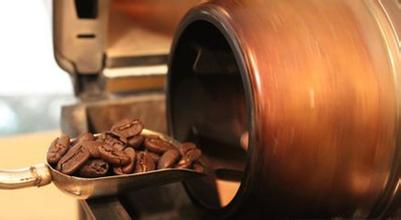
Coffee technical operation: explanation of professional terms related to coffee roasting and coffee roaster
[guide] Post-burner A device that uses a high-energy burner to reburn the smoke generated by a coffee roaster to eliminate smoke. At the same time, it can reduce the smell. A stainless steel basket used by the silver skin of the Fujiga machine dust collector. A device capable of reburning the smoke produced by the coffee roaster with a high heat energy burner to achieve the smoke elimination effect.
The basic chemical reaction that takes place during coffee roasting.
Many thermal and chemical reactions take place during baking: decarbonation, dehydration of quinic acid, subdivision, isomerization, polymerization, and complex sugar reactions (caramelization). The main components of the thermal reaction are monosaccharides and sucrose, chlorogenic acid, free amino acids, and fenugreek amide. Both aravinose and calactose in the polysaccharides are transferred, and the basic vulcanization process includes hydroxylamine.

The basic chemical reactions that take place during coffee roasting
Many thermal and chemical reactions take place during baking: decarbonation, dehydration of quinic acid, subdivision, isomerization, polymerization, and complex sugar reactions (caramelization). The main components of the thermal reaction are monosaccharides and sucrose, chlorogenic acid, free amino acids, and fenugreek amide. Both aravinose and calactose in the polysaccharides are transferred, and the basic vulcanization process includes hydroxylamine.

The basic chemical reactions that take place during coffee roasting
Many thermal and chemical reactions take place during baking: decarbonation, dehydration of quinic acid, subdivision, isomerization, polymerization, and complex sugar reactions (caramelization). The main components of the thermal reaction are monosaccharides and sucrose, chlorogenic acid, free amino acids, and fenugreek amide. Both aravinose and calactose in the polysaccharides are transferred, and the basic vulcanization process includes hydroxylamine.

The basic chemical reactions that take place during coffee roasting.
Many thermal and chemical reactions take place during baking: decarbonation, dehydration of quinic acid, subdivision, isomerization, polymerization, and complex sugar reactions (caramelization). The main components of the thermal reaction are monosaccharides and sucrose, chlorogenic acid, free amino acids, and fenugreek amide. Both aravinose and calactose in the polysaccharides are transferred, and the basic vulcanization process includes hydroxylamine.
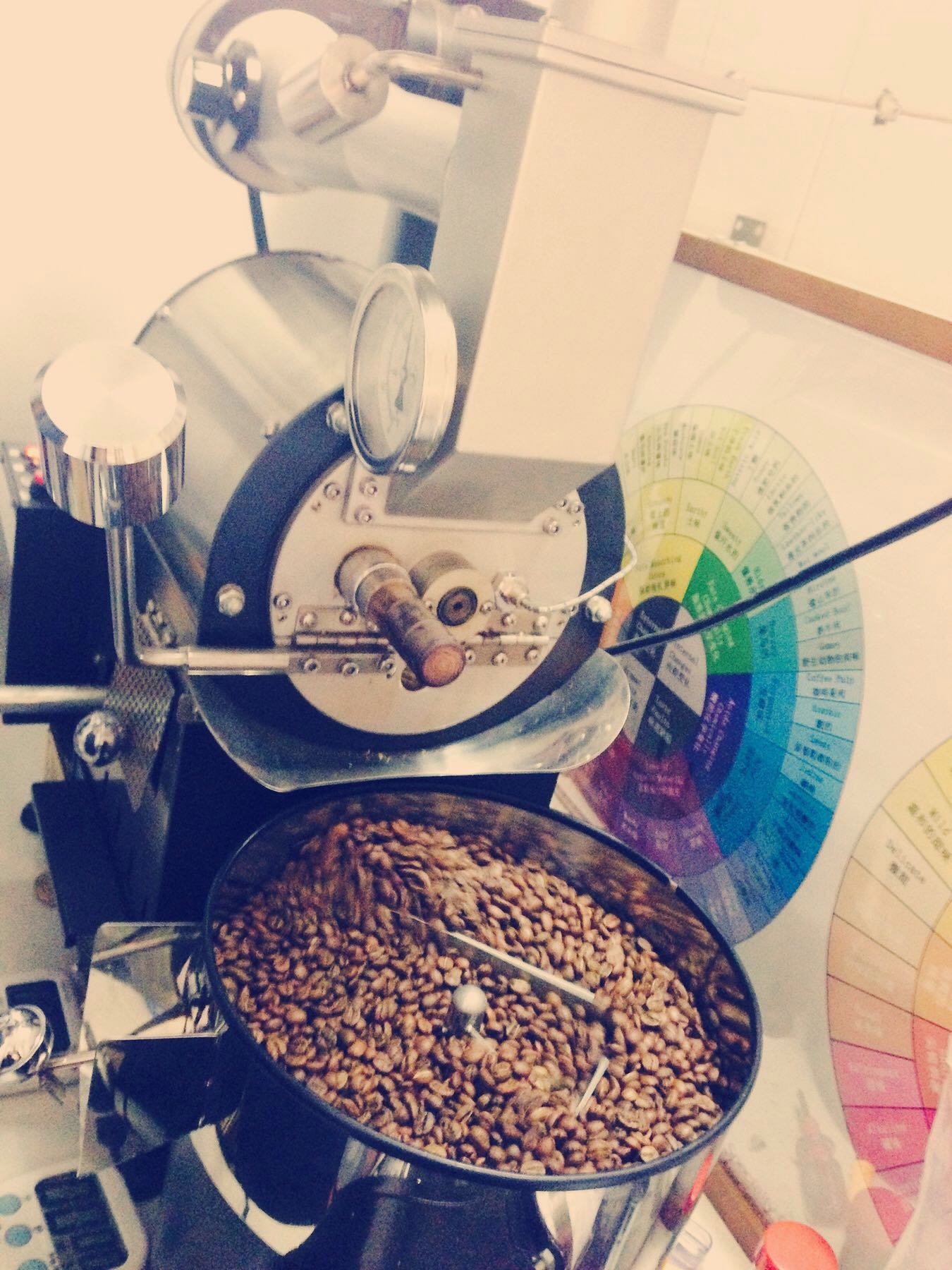
Key points of coffee roasting techniques: basic chemical reactions that take place during coffee roasting
Basic chemical reactions that occur during coffee roasting author: Carl Staub originates from the SCAA baking color classification system, developed by Agtron SCAA 1995 original text from: http://www.sweetmarias.com/roast.carlstaub.html translation: Grant, http://www.baristacn.com/forum/thread-1583-1-1.html in the roasting process
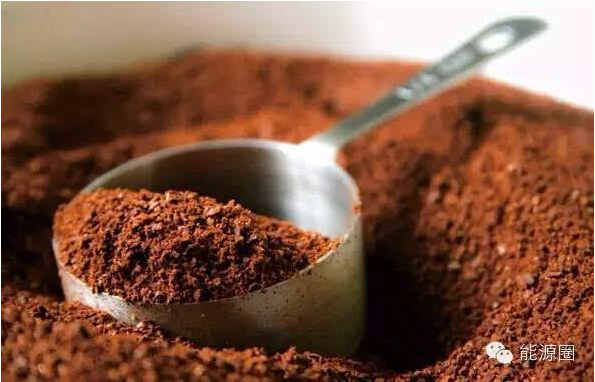
Don't dump your coffee grounds: use it as supercapacitor coffee grounds for fuel
Energy circle is a coffee lover, bought a set of homemade coffee tools, and can enjoy the fragrant homemade coffee in the office from now on. But every time there is a pile of coffee grounds left, and it seems that there is no other way to deal with it but to pour it into the trash can. The world produces more than 9 million tons of coffee beans every year, and once brewed, a large pile of garbage is produced, most of which are landfills.
The basic chemical reaction of coffee technology in the process of coffee roasting
Many thermal and chemical reactions take place during baking: decarbonation, dehydration of quinic acid, subdivision, isomerization, polymerization, and complex sugar reactions (caramelization). The main components of the thermal reaction are monosaccharides and sucrose, chlorogenic acid, free amino acids, and fenugreek amide. Both aravinose and calactose in the polysaccharides are transferred, and the basic vulcanization process includes hydroxylamine.
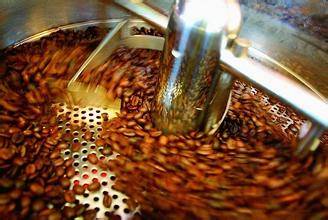
The basic chemical reaction that occurs during coffee roasting. The ingredients produced by the degree of coffee roasting.
Basic chemical reactions that occur during coffee roasting author: Carl Staub originates from the SCAA baking color classification system, developed by Agtron SCAA 1995 original text from: http://www.sweetmarias.com/roast.carlstaub.html translation: Grant, http://www.baristacn.com/forum/thread-1583-1-1.html in the roasting process

Probat Factory Concept (Part 1)
PROBAT is constantly innovating in the development and manufacture of coffee roasting equipment and roasting plant technology. This is inextricably linked to PROBAT's goal of keeping every coffee bean in peak condition. PROBAT is committed to developing and manufacturing coffee roasting equipment and roasting plant technology.